

Dubai RTA launches sidewalk upgrade across 90,000 square metres
Citywide works target safety, durability and pedestrian comfort
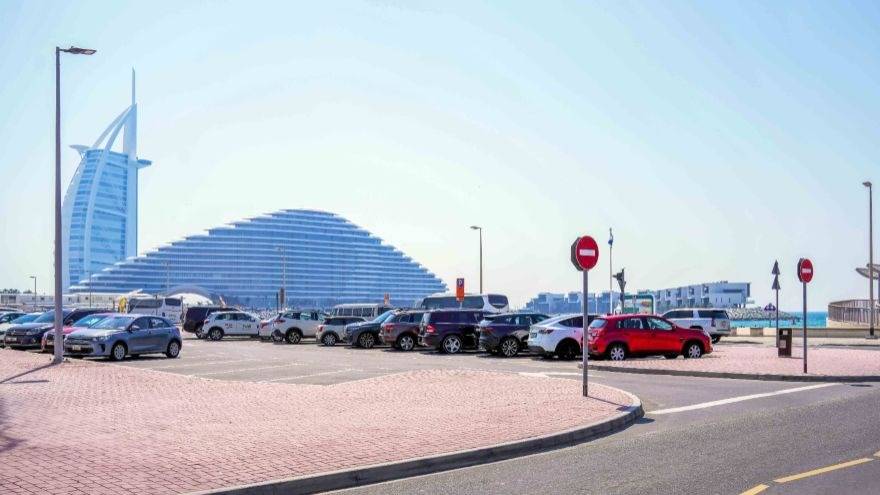
DUBAI – The Roads and Transport Authority (RTA) has launched a wide-ranging preventive maintenance and rehabilitation programme for sidewalks across Dubai, covering a total of 90,000 square metres in 2026.
The initiative forms part of its long-term infrastructure strategy aimed at preserving asset quality, enhancing pedestrian safety, and maintaining the city’s visual appeal. It also reflects ongoing efforts to support Dubai’s rapid urban development and improve overall quality of life.
The scale of the programme builds on work carried out in 2025, when approximately 88,000 square metres of sidewalks were maintained and upgraded across residential, tourist, commercial, economic and coastal areas.
Strategic focus
Abdulla Ali Lootah, Director of Roads and Facilities Maintenance at the Traffic and Roads Agency, said sidewalk maintenance is central to preserving road infrastructure and ensuring safety standards remain high across the network. He noted that the works are designed to extend the lifespan of assets, uphold quality benchmarks, and reinforce sustainability objectives.
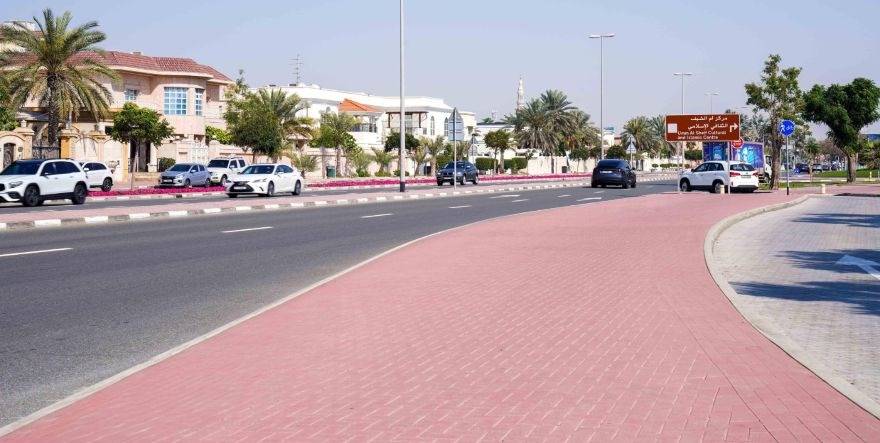
The programme also aligns with the authority’s broader vision of delivering seamless and sustainable mobility, while maintaining the emirate’s urban outlook. Enhancing pedestrian pathways is seen as a key component in supporting safe, accessible movement for residents and visitors.
Key areas
Preventive maintenance scheduled for 2026 will be carried out in several districts, including Al Nahda 2, Al Baraha, Nad Shamma, Nad Al Hamar, Al Muhaisnah 1, 2 and 3, Al Twar 4, Al Barsha 2 and 3, Umm Suqeim 3, Al Manara, Al Safa 2, Jumeirah 2, Za’abeel 2, and Oud Maitha.
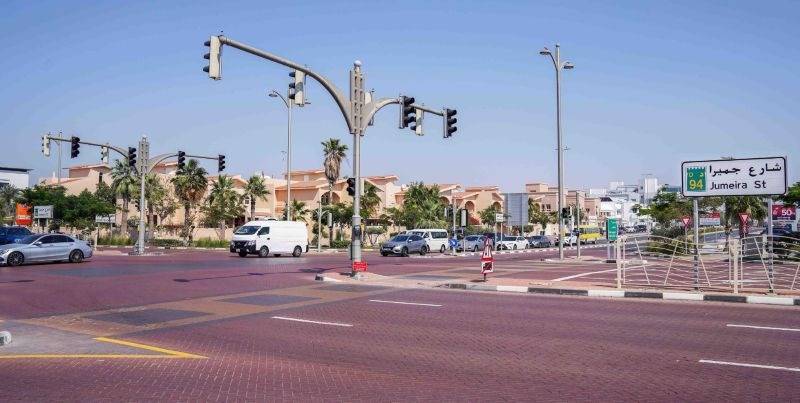
The works will cover pedestrian paving, intersections, service roads used by vehicles, and shared pathways utilised by both pedestrians and cyclists. Maintenance teams will address structural issues such as subsidence, surface erosion, breakage and tile damage caused by environmental conditions or misuse.
Advanced methods
RTA confirmed the use of advanced technologies and modern maintenance practices to monitor infrastructure conditions and assess asset performance. These systems support proactive planning and enable timely interventions, helping preserve structural integrity across the network.
Safety remains a priority throughout the execution phase, with measures in place to ensure smooth pedestrian movement in affected areas. The authority stated that all necessary precautions will be implemented to minimise disruption while maintaining accessibility during ongoing works.